THE WORM
302 neurons, 1986
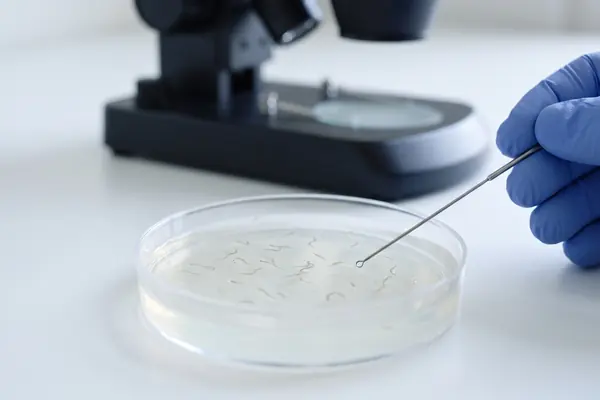
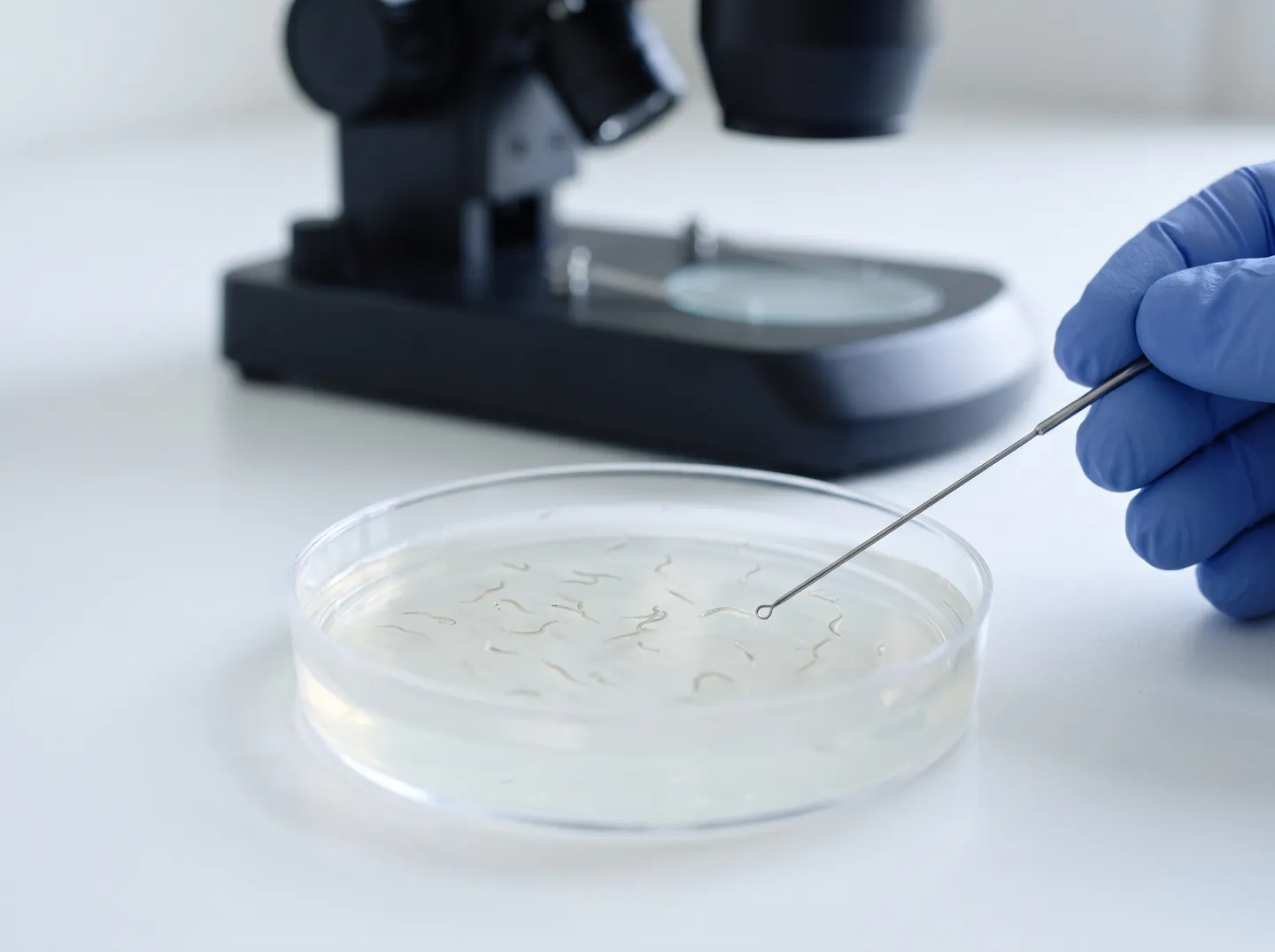
The first complete connectome mapped all 302 neurons of the 1 mm roundworm C. elegans and about 7,000 connections between them.
Compare the maps doodleconnects.
WHAT THE RESEARCH SHOWS
A brain is a network of connected cells.
A connectome is the full map of those connections: which neuron links to which. Scientists have now drawn complete maps for a worm and a fruit fly, and a cubic millimetre of mouse brain.
Compare the maps Read the short answer
THE SHORT ANSWER
Each map traces every neuron and every connection in a piece of nervous system.
The tools grew from notebooks to AI and crowds.
THE WORM
The first complete connectome mapped all 302 neurons of the 1 mm roundworm C. elegans and about 7,000 connections between them.
Compare the mapsTHE FLY
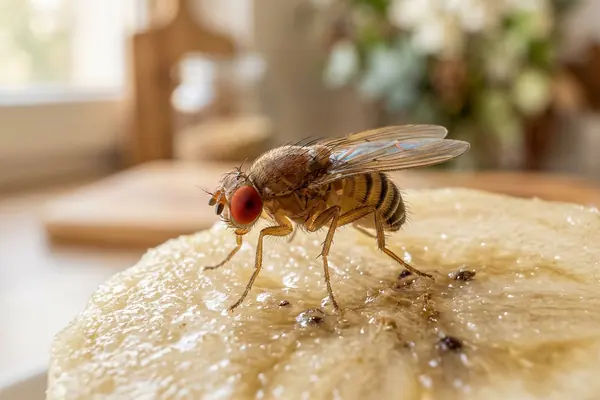
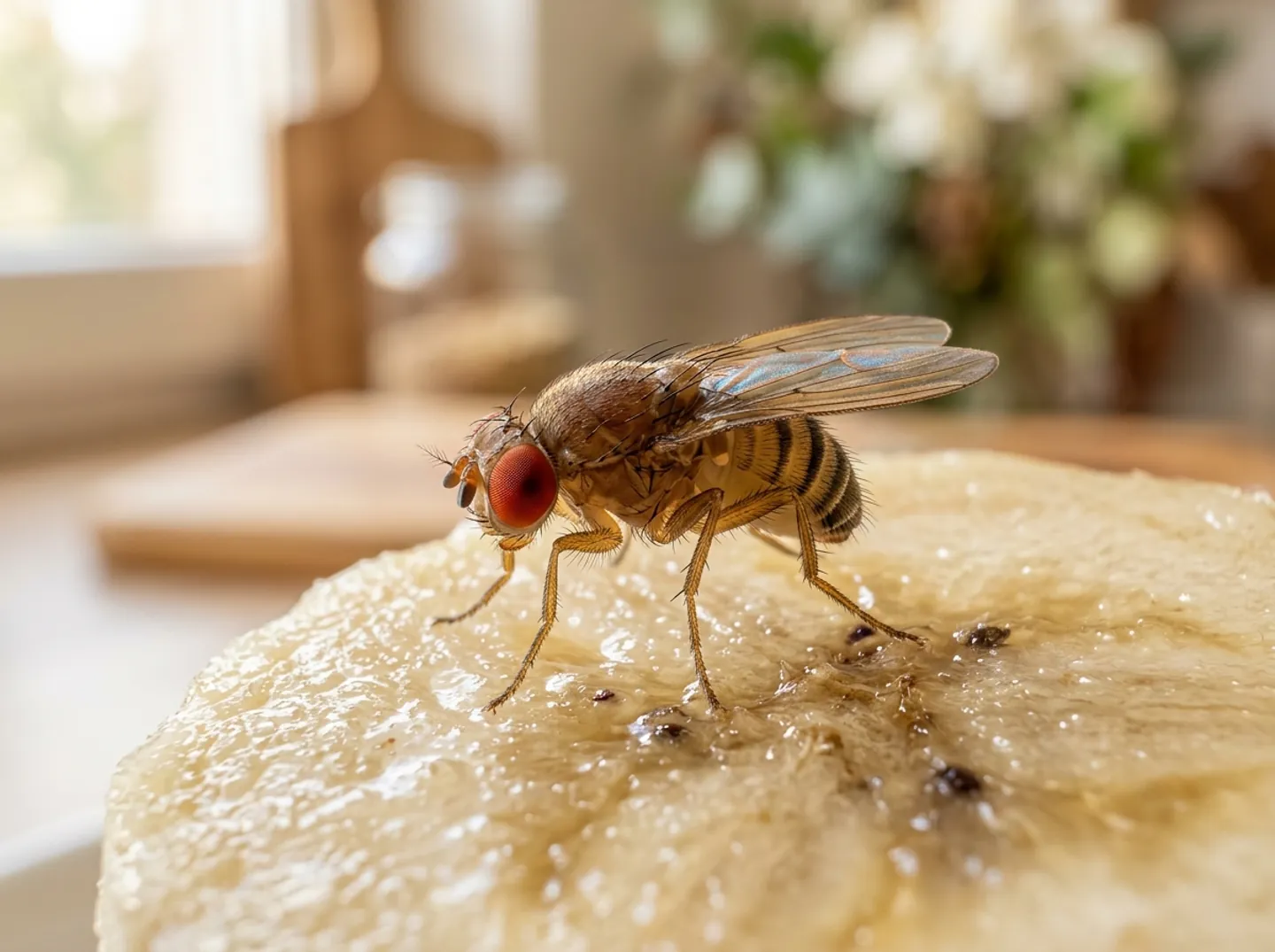
The FlyWire map of a fruit fly brain details over 50 million connections between more than 130,000 neurons, the largest complete adult connectome yet.
See the numbersTHE METHOD
Brains are imaged slice by slice with electron microscopes. Software traces the neurons, and people check its work for errors.
How it is doneCOMPARE THE MAPS
Pick a connectome to see what it covers. The bar shows how many connections it contains, from thousands to hundreds of millions.
Figures from NIH (NINDS and NIMH) releases and the MICrONS project page.
TWO NUMBERS WORTH KNOWING
One figure on how long the first map stood alone,
one on how much a speck of brain holds.
THE GAP · ROYAL SOCIETY COMMENTARY
Before new studies like it were possible
26years
A 2015 commentary in Philosophical Transactions B says twenty-six years passed after the worm map before developments, notably more powerful computers, made new studies of this kind possible.
MOUSE CORTEX · MICRONS
Synapses found in about a cubic millimetre
523million
The MICrONS dataset spans a 1.4 × 0.87 × 0.84 mm block of mouse cortex. It is the largest connectomics dataset by number of cells and connections detected, as of 2025.
NIH says the fly map's methods could be used to map larger brains, and that the BRAIN Initiative is funding efforts to map mammalian and human brains.
FOUR STEPS TO A MAP
The basic method has not changed since the worm: see every cell membrane and synapse, then follow each neuron through the slices.
WHY A WORM
In Cambridge in the 1960s, Sydney Brenner looked for an animal with genetics, behaviour and a nervous system small enough to map completely. The fruit fly, with some 100,000 neurons, seemed too complex then.
He chose C. elegans, a transparent worm about 1 mm long with only about 1,000 cells. The finished manuscript arrived at the Royal Society in 1984 in six loose-leaf notebooks, labelled ‘The mind of a worm’.
QUESTIONS PEOPLE ASK
It is a wiring diagram of a nervous system: a map of its neurons and the connections, or synapses, between them. The fly connectome also records the type of neurotransmitter each neuron sends.
In 1986 Sydney Brenner and colleagues published a map of all 302 neurons in the roundworm C. elegans and the 7,000 synapses between them.
NIH says it details over 50 million connections between more than 130,000 neurons, and calls it the largest and most complete connectome of an adult animal created.
A consortium of fruit fly labs called FlyWire, with scientists around the world, proofread the computer tracing. NIMH says only 15% of neurons had been proofread in 2021.
Not yet. The largest dataset so far, from MICrONS, covers about a cubic millimetre of mouse cortex. NIH says the BRAIN Initiative is funding efforts to map larger mammalian and human brains.
SOURCES
Each figure on this page comes from the sources below. Check them for the full detail and context.